Prices
  Request a call back
  Moving Guides
  Free quote
 Dalston E8 removals guide for narrow streets
Posted on 18/06/2026
Dalston E8 Removals Guide for Narrow Streets: A Practical, Local Moving Handbook
Moving home in Dalston can feel straightforward on paper. Then you meet the realities: tight one-way streets, limited kerb space, busy junctions, shared entrances, awkward stairwells, and neighbours who definitely notice when a van blocks the road. This Dalston E8 removals guide for narrow streets is designed for those exact conditions. It focuses on what actually helps on moving day, not just the usual blanket advice that sounds nice but falls apart the moment the van arrives.
If you are relocating a flat, a maisonette, a small house, or even a studio in the area, the key is simple: plan around access first, then everything else. The right approach can save you time, stress, and the sort of last-minute panic that makes a cup of tea feel like a life choice. You will find practical route planning tips, packing advice, van selection guidance, and realistic ways to protect furniture and neighbours from a chaotic move.
For readers who want a broader moving overview first, it can also help to look at our company background and local approach and this helpful guide on house removal basics worth remembering before you finalise the day.
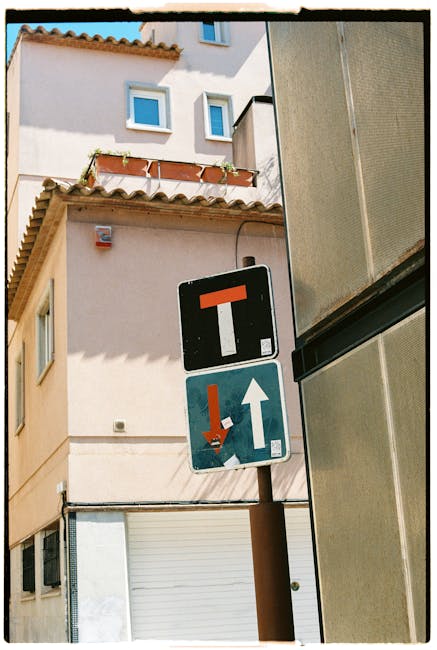
Why Dalston E8 removals guide for narrow streets Matters
Dalston has a very particular moving-day personality. Streets can be narrow, parking can be tight, and a standard removals lorry may simply not be the best fit for every property. That does not mean the move is difficult by default. It means the move needs a smarter setup.
In narrow streets, small details become big ones. Where will the van stop? Can the crew unload without blocking traffic? Is there room to carry a sofa around the corner without scraping walls, railings, or that one stair banister that seems to be held together by hope? These questions matter because they affect timing, safety, and cost.
Local moves in E8 also often involve flats above shops, converted buildings, shared hallways, and older properties with narrow internal stairs. So the issue is not only the street outside; it is the whole chain of access from pavement to front door to landing. If you plan for that chain properly, the whole day tends to calm down. A little. Not magically, but enough.
For people deciding whether to handle everything themselves or bring in help, it is worth reading this comparison of DIY moving versus hiring a company. Narrow streets are often the point where the answer becomes clearer.
In narrow-road moves, the biggest risk is not usually the distance travelled. It is the access problem at either end. Solve access first and the rest gets much easier.
How Dalston E8 removals guide for narrow streets Works
Think of a narrow-street removal as a sequence, not just a van turning up and everyone lifting things. The process starts with checking access, then matching the right vehicle and crew size, then preparing the property so loading and unloading are efficient.
In practical terms, a well-run move in Dalston usually involves the following steps:
- Pre-move assessment: confirm road width, parking, steps, lifts, access doors, and any likely obstacles.
- Vehicle choice: select a van or smaller removals vehicle that can actually fit and stop safely nearby.
- Parking and unloading plan: decide where the van will wait, how long it can stay there, and how items will be carried.
- Protection and packing: wrap furniture, secure loose items, and separate fragile boxes from heavy ones.
- Loading order: load the items in a way that avoids repeated trips and wasted lifting.
- Building and stair control: keep hallways clear and protect corners, banisters, and floors.
The main point is that narrow-street moving works best when the plan is tailored to the address. A one-size-fits-all van can make a local move look cheap on paper and expensive in reality. If you are moving a smaller load, this explanation of man and van services for smaller moves is useful because it shows where a lighter, more flexible setup may suit Dalston better than a larger vehicle.
There is also a human side to all this. On many local moves, you can feel the street waking up around you: a bike bell, a delivery driver waiting impatiently, a neighbour heading out with coffee. If your move is organised, you are part of the street for a short time, not a nuisance. That is the goal, really.
Key Benefits and Practical Advantages
When you plan properly for narrow streets, you are not just trying to avoid problems. You are buying yourself some real advantages.
- Less risk of damage: tighter spaces mean more chances for bumps and scrapes, so planning reduces avoidable mishaps.
- Faster loading and unloading: if the van can stop close enough, the crew spends less time walking items back and forth.
- Lower stress for everyone: fewer awkward manoeuvres means a calmer day for you, the movers, and the people living nearby.
- Better use of smaller vehicles: in many Dalston streets, a smaller van is simply more practical and may actually save time.
- Improved neighbour relations: this matters more than people think. A considerate move is remembered better than a noisy one.
There is another upside too: narrow-street planning tends to force good decluttering decisions. If you have been wondering whether that old wardrobe or heavy sideboard is really worth moving, a restricted access route often answers the question for you.
For people trying to reduce load and simplify the day, selling unwanted items before moving can make a big difference. Less volume usually means easier access and lower handling time.
| Situation | What narrow streets change | Best practical response |
|---|---|---|
| Flat on a tight residential road | Parking may be limited | Use a smaller van and book a realistic loading window |
| Upper-floor property with stairs | Long carry distances become tiring | Pack lighter boxes and protect corners and bannisters |
| Busy mixed-use street | Traffic and pedestrians slow unloading | Choose an off-peak time and keep items grouped near the exit |
| Large furniture move | Turns and door frames become critical | Measure key items and dismantle what you can safely |
Who This Is For and When It Makes Sense
This guide is for anyone moving in or out of Dalston E8 where access is not generous. That includes tenants, homeowners, landlords, students, and people moving within Hackney who already know the road network can be a bit unforgiving for oversized vehicles.
It makes particular sense if you are:
- moving from a flat with stairs or a small lift
- relocating from a street where parking is limited or controlled
- moving bulky furniture through awkward hallways
- handling a small or medium-sized move that needs flexibility more than brute force
- trying to coordinate a same-day turnaround
- moving with children, pets, or elderly relatives and need the day to stay orderly
It is also useful if you are debating whether to do everything yourself. Truth be told, narrow streets are where a lot of confident DIY plans become a bit overoptimistic. If you want a balanced view, this advice for moving on your own is a sensible read before you commit.
Students and renters in particular often benefit from a smaller, quicker setup. If that sounds like you, you may also find these tips on man and van hire helpful when weighing up flexibility, budget, and access.
Step-by-Step Guidance
Here is a clean, practical way to approach a Dalston move where the street is narrow and the building access is not exactly glamorous.
- Measure the important things. Check large furniture dimensions, stair widths, doorway clearances, and the size of the biggest items.
- Look at the route from van to front door. Count steps, sharp turns, and places where someone might need to pause and reposition.
- Decide the vehicle size early. A smaller van may be the better fit if the street is tight or if parking is tricky.
- Reserve access time. Give yourself enough margin. A move that starts too late tends to snowball, and nobody wants that by 11:30 a.m.
- Pack for carry distance, not just storage. Use sturdy boxes, keep heavy items in manageable loads, and label fragile items clearly.
- Disassemble what makes sense. Beds, table legs, and some shelving units are easier to move in parts.
- Protect the building. Use blankets, floor covers, and edge protection where needed.
- Load in the right order. Put heavier, sturdier items in first and keep essential boxes accessible.
- Clear the final exit. Before the van leaves, check drawers, cupboards, lofts, and behind doors. It is amazing what gets left behind in the rush.
If you want a more detailed packing approach, these packing tips for moving are a good companion piece. They work especially well when you have to carry boxes over a longer distance from kerb to door.
A small but useful habit: pack one "first night" box with kettle items, basic tools, phone chargers, toilet paper, and a change of clothes. You will thank yourself later. Honestly, it's the little things.
Expert Tips for Better Results
These are the details that tend to separate a smooth narrow-street move from a frustrating one.
1. Use the road, not against it
Do not assume the largest available van is automatically the best option. In Dalston, the practical choice is often the one that can stop sensibly, unload quickly, and leave without drama. A smaller van or split-load approach can be far more efficient.
2. Time the move around local activity
Morning rush, school runs, deliveries, and weekend foot traffic can all affect access. If your schedule is flexible, think about how busy the street is likely to be. Even a half-hour shift can help.
3. Keep walkways clear
Inside the property, clear shoes, coats, bins, plant pots, and loose clutter from hallways. It sounds obvious, but in a narrow stairwell, a single obstacle can slow everything down.
4. Protect the awkward bits first
Corners, banisters, glass panels, and door frames are the places that suffer. If you only have time to protect a few areas, start there.
5. Label by room and fragility
On tight access moves, clear labels save time. "Kitchen - fragile" and "Bedroom - heavy" are much better than vague mystery boxes that everyone has to guess about.
6. Think about neighbours before they think about you
That sounds slightly dramatic, maybe, but it is true. A polite heads-up, minimal blocking, and a tidy loading area reduce complaints and make the whole move feel more professional.
For a deeper look at keeping the day under control, this guide to avoiding removal-day disasters is worth a read. It covers the sort of mistakes that are easy to miss when you are focused on the big picture.

Common Mistakes to Avoid
Most narrow-street moving problems are preventable. The catch is that the mistakes often feel small at the start.
- Booking a van before checking access: it sounds obvious, yet this is where many moves go sideways.
- Underestimating walking distance: even a short curb-to-door carry can become exhausting with ten trips.
- Leaving parking until the last minute: if a van has nowhere sensible to stop, the whole schedule gets squeezed.
- Overpacking boxes: heavy boxes are harder to carry on stairs and more likely to split.
- Forgetting about communal areas: shared hallways need extra care, and sometimes permission or coordination too.
- Ignoring fragile furniture dimensions: one too-wide wardrobe can turn into an hour of awkward problem-solving.
- Not planning for weather: a wet morning in London can make a short carry much messier than expected.
There is also the classic mistake of assuming everything will be fine because the move is local. Local does not mean easy. Sometimes local just means the distance is short and the obstacles are concentrated. Little bastard of a problem, really.
If you want to reduce the chance of leaving items behind or misplacing essentials, this article about commonly forgotten items is genuinely useful.
Tools, Resources and Recommendations
You do not need a warehouse of equipment to move well in Dalston. But a few practical tools make life easier.
- Measuring tape: for furniture, doorways, stairs, and lifts.
- Furniture blankets and protective wrap: to reduce scuffs on larger items.
- Sturdy boxes and tape: essential for keeping the load manageable and secure.
- Label markers: help boxes land in the right room quickly.
- Basic toolkit: useful for bed frames, shelving, and small fittings.
- Floor and corner protection: especially helpful in older buildings with tighter access.
- Storage options: if access is too tight for a full-load move, a short stop in storage can make the whole process easier.
For readers still deciding on the best overall service format, this breakdown of the advantages of hiring a removal company can help clarify when professional support is worth it. If you are comparing service styles, the page on removal van options in Hackney is also useful for understanding the vehicle side of the move.
And if your move is more about a flat than a house, the dedicated flat removals service and home removals support pages can help you see how the service is usually structured.
Law, Compliance, Standards and Best Practice
For most domestic moves in Dalston, the important point is not legal complexity; it is responsible practice. That said, a few standards still matter.
Parking and access: You should plan loading and unloading carefully and avoid creating unnecessary obstruction. In real terms, that means checking the street conditions, keeping the move efficient, and not assuming everyone else will simply work around you.
Health and safety: Good moving practice means safe lifting, sensible box weights, clear walkways, and attention to fragile items. If a move looks unsafe, slow it down. A quick job that ends in a strain or broken item is not a win.
Insurance awareness: It is wise to understand what is covered before the move begins. If you are hiring help, ask how items are protected and what happens if something goes wrong. If you are doing it yourself, double-check your own cover and any terms that might apply.
Building rules: Flats and managed properties sometimes have their own requirements around access, lifts, and moving times. Always confirm these in advance. It saves awkward conversations later, which is always nice.
For people who want to understand the company's approach to safety and responsible handling, it may help to review the pages on insurance and safety and health and safety policy. They provide a clearer view of what careful moving should look like in practice.
Options, Methods and Comparison Table
Choosing the right moving method depends on access, volume, and how much lifting you are prepared to handle yourself. Here is a straightforward comparison.
| Method | Best for | Strengths | Limitations |
|---|---|---|---|
| DIY with rented van | Small, simple moves | Flexible timing, can be cost-conscious | You handle lifting, driving, parking, and risk |
| Man and van | Smaller loads, narrow streets, short local moves | More flexible, easier to fit around access limits | May not suit very large homes or heavy specialist items |
| Full removals service | Larger or more complex moves | Less personal effort, better for mixed or bulky loads | May need more planning and a larger access window |
| Split move with storage | Overfilled properties or difficult access | Reduces pressure on moving day | Requires extra coordination and possibly extra cost |
For many Dalston E8 narrow-street moves, the middle option works best. It is often the sweet spot between cost and practicality. If you are unsure what size setup suits your move, this local comparison of man and van versus larger moving setups is a good place to start.
Case Study or Real-World Example
Here is a realistic example based on the kind of move people often face in Dalston.
A couple moved from a top-floor flat on a narrow E8 residential road into another nearby property a few streets away. On paper, the move was short. In reality, the first flat had a tight staircase, very limited pavement space, and a heavy sofa that would not have appreciated a careless corner turn. They originally thought a larger van would make the job faster.
After checking access properly, they switched to a smaller van, split the load into two manageable runs, and dismantled the bed frame before moving day. They also packed boxes by room and kept fragile items separate. The move took most of the day, not half of it, but it was smooth. No scraped walls, no neighbour complaints, no frantic last-minute rearranging in the rain.
The quiet bit that made the difference? They planned for the street, not just the property.
That is the lesson again and again. In narrow streets, success usually comes from adapting the plan rather than forcing the plan. Small adjustment, big payoff.
Practical Checklist
Use this checklist in the final 72 hours before your Dalston move.
- Confirm the exact addresses and access details at both ends
- Measure large furniture and compare it to doors, stairs, and lifts
- Decide where the van will park and how unloading will work
- Tell neighbours or building management if that is appropriate
- Separate fragile boxes, heavy boxes, and essentials
- Disassemble beds, tables, or shelving where needed
- Protect floors, bannisters, and door frames
- Keep chargers, documents, and valuables with you
- Pack a first-night box with basics
- Check whether you need storage for anything awkward or non-essential
- Review your booking details, time window, and contact number
- Walk through the property before the van leaves
If you like to work from a broader moving plan, this removals checklist guide can help you build a more complete timeline around these final steps.
Conclusion
A move in Dalston E8 does not need to be chaotic just because the streets are narrow. The trick is to respect the space you are working with. Measure properly, choose the right vehicle, pack sensibly, and plan the unloading route like it matters, because it does.
In many ways, narrow-street removals reward calm thinking more than brute force. That is good news. It means a well-organised move can feel surprisingly manageable, even in a busy part of Hackney where the road outside is never quite still.
If you want to keep things simple, start with access, then build the rest of the move around it. That one shift in thinking often changes everything.
Get a free quote today and see how much you can save.
And if you are still refining the practical side, the pages on pricing and quotes and services overview are useful next steps before you book anything. A well-planned move is never just about the van; it is about peace of mind, too.